

Why "Built Like a Fortress" Is Your Secret Weapon Against Flight Anxiety
Hello there, and welcome! If you’ve landed here because the mere thought of boarding an airplane makes your stomach tie itself in knots, I want you to take a deep, slow breath right now. First and foremost: you are not alone, and your fear makes complete sense.
Humans are terrestrial creatures. We were designed to walk on solid ground, feel the earth beneath our feet, and navigate the world at a walking pace. Stepping into a metal tube and rocketing through the clouds at 500 miles per hour triggers an ancient, hardwired survival response. It is completely natural to feel overwhelmed.
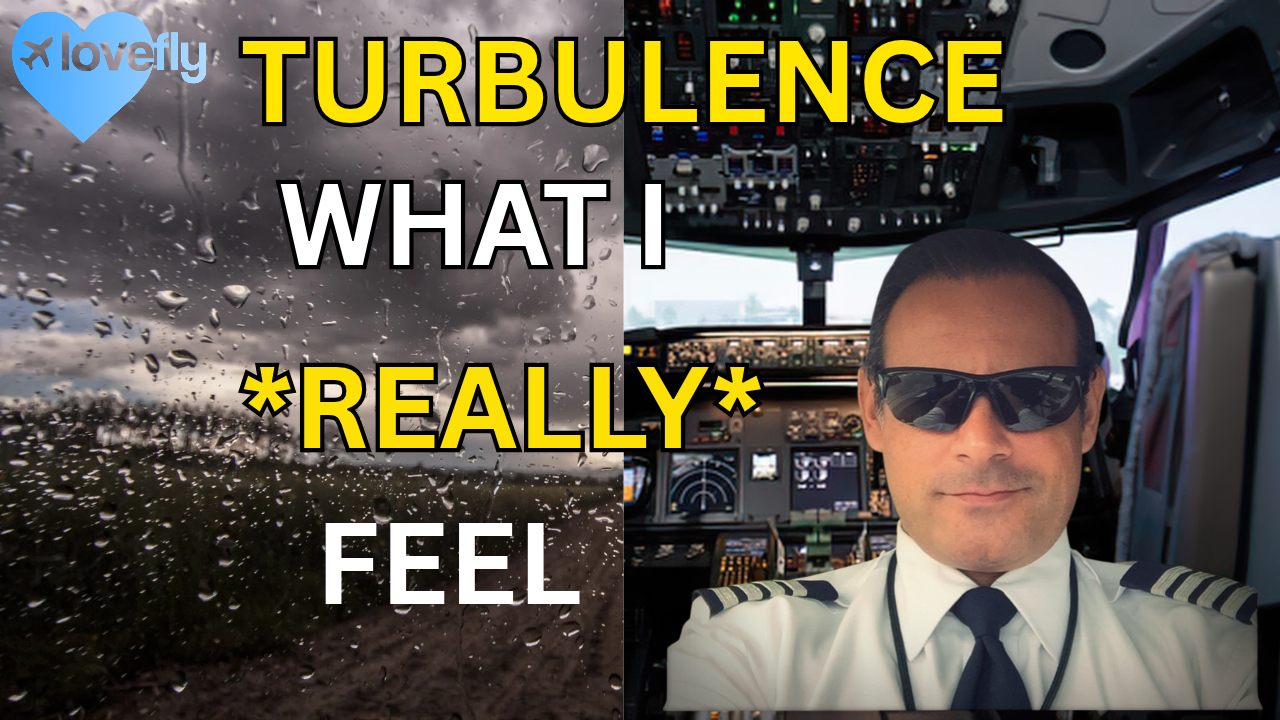
In this week's deeply inspiring Lovefly Podcast episode, I sat down with Rafael—a remarkable commercial pilot whose journey spans from growing up in Spain with big dreams to fueling airplanes in Miami for $3.25 an hour to earn his wings. Rafael shares invaluable insights that bridge the gap between pilot expertise and passenger peace of mind. Let’s break down the core takeaways to help you feel more grounded before your next trip.
When you're cruising at altitude and encounter a bit of chop, it's easy to mistake a flexing wing or a shifting engine sound for structural trouble. But Rafael reminds us of the staggering amount of engineering that goes into every single aircraft before it ever takes its first commercial flight.
"At the end, you get into an aircraft—it's a fortress, it's an amazing machine building... the airplane is like, 'This is like nothing for me.'"
Manufacturers don't just build planes to meet basic standards; they test them to 130% or 150% of maximum expected stress limits. That wing flexibility you notice during turbulence isn't a sign of weakness—it's the exact design feature keeping you safe, much like how a modern suspension system absorbs bumps on a rough train or bus ride.
We often assume that pilots are fearless superheroes who never feel a flutter of anxiety. Rafael shatters that myth entirely. He openly shares how grueling his flight training was, admitting that he frequently walked out of training flights with a white face, questioning if he had what it takes.
The secret isn't that pilots don't feel fear; it's how they respond to it. When an anxious flyer's instinct is to brace and spiral into worst-case scenarios, pilots are trained to pause, look at the data, and systematically solve problems. Recognizing that your physiological anxiety is just an overactive alarm system—not an indicator of actual peril—changes everything.
Rafael didn't become a commercial pilot overnight. It took years of grit, self-funding, small victories, and leaning on mentors who believed in him. Overcoming flight anxiety works the exact same way. You don't have to leap from terrified to fearless in a single bound. Break your journey down into manageable, bite-sized steps—whether that's reading an educational article today, practicing breathwork tomorrow, or joining a supportive community.
Ready to dive deeper into Rafael's incredible story and pick up more expert tools for your next flight?
Please write a message into this form and we will get back to you as soon as possible.